Sustainability and Green Container Solutions
Sustainability has become one of the most important priorities in global logistics, construction, and manufacturing. As businesses and governments push toward greener solutions, shipping containers are emerging as a powerful tool in the move toward sustainable operations. When handled responsibly through reuse, repurposing, and recycling containers deliver measurable environmental benefits while also reducing operational costs.
In this in-depth guide, we explore how green container solutions support eco-friendly logistics, promote circular economy practices, and reshape the future of construction and storage.
Understanding Green Container Solutions
A green container solution is any approach that reduces environmental impact across a shipping container’s life cycle. This can involve extending the life of existing containers, using recycled materials, improving energy efficiency, or converting containers into entirely new structures. Because containers are built from high-strength, weather-resistant steel, they have long lifespans and can be safely reused again and again.
How Shipping Containers Support Sustainability
1. Reusing and Repurposing Containers Reduces Waste
Every reused or repurposed shipping container prevents thousands of pounds of steel from becoming waste. Instead of sending older containers to scrapyards, they can be converted into homes, offices, shops, storage units, mobile clinics, classrooms, and more. This significantly reduces the demand for new building materials.
A single repurposed container can replace large quantities of cement, bricks, and lumber all materials with heavy carbon footprints. By reusing shipping containers, builders and businesses reduce construction waste while supporting more sustainable building practices.
2. Lower Environmental Costs Compared to New Construction
Traditional construction requires raw materials such as concrete, wood, and steel, which involve energy-intensive manufacturing processes. Shipping containers skip these steps because the main structure already exists. Transforming a container into a usable space is more energy-efficient and produces fewer emissions than building from scratch.
For companies seeking environmentally responsible infrastructure, container structures offer a significantly lower carbon footprint.
3. Containers Support Circular Economy Principles
Shipping containers are ideal for circular economy models, where products and materials are continually reused, refurbished, and repurposed instead of discarded. The lifespan of a shipping container can often exceed 30 years, and throughout its life it may serve multiple purposes:
- Cargo shipment
- Ground storage
- Modular construction
- Mobile workspaces
- Emergency housing
- Community facilities
This continuous reuse reduces the demand for new materials and lowers waste production across industries.
4. Reduced Steel Production Through Recycling
When containers reach the end of their structural life, they can be recycled into raw steel. Steel is one of the most recyclable materials on the planet, but recycling it still consumes less energy than producing new steel from scratch. By recycling old units responsibly, the industry reduces mining, energy use, and overall emissions.
5. Eco-Friendly Container Modification Options
Sustainable upgrades make containers even greener. Many modifications improve energy efficiency, including:
- Solar panels for off-grid energy
- Eco-friendly insulation such as mineral wool or recycled foam
- LED lighting systems
- Low-energy HVAC systems
- Rainwater harvesting integration
- Green roofs for thermal regulation
These solutions help reduce long-term energy consumption and operating costs.
Green Container Applications Transforming Industries
Sustainable Modular Housing
Shipping containers provide an affordable alternative to traditional housing. They can be insulated, finished, and stacked to create safe, comfortable living spaces. Many eco-focused developers use repurposed containers to build tiny homes, duplexes, student housing, and multi-story complexes.
Eco-Friendly Office and Workspace Solutions
Businesses are increasingly turning to containers for mobile or permanent offices. These structures require fewer materials, significantly reduce building waste, and offer short construction timelines. When powered with solar or renewable energy, they become even more sustainable.
Green Retail and Hospitality Concepts
Popup shops, cafés, boutique hotels, and food stands made from containers are becoming a global trend. These units are portable, reusable, and reduce the environmental impact of constructing a new commercial building.
Community and Emergency Infrastructure
Containers are now widely used for disaster relief because they’re durable, transportable, and can be rapidly deployed. After their initial purpose, they can be repurposed again minimizing waste in long-term recovery situations.
Sustainable Storage Solutions
Using refurbished containers for storage prevents the construction of new sheds, warehouses, and storage buildings. Their durability, weather resistance, and long lifespan make them ideal for long-term eco-conscious storage needs.
Future Trends in Sustainable Container Solutions
The container industry continues to evolve as sustainability becomes a priority. Emerging trends include:
1. Smart Containers with Reduced Energy Use
New technology allows containers to monitor energy consumption, optimize temperature control, and reduce power usage through built-in AI systems.
2. Lightweight, Recyclable Materials
Manufacturers are exploring materials that reduce container weight while maintaining durability. Lighter units mean lower transportation emissions.
3. Hydrogen and Electric-Powered Refrigerated Units
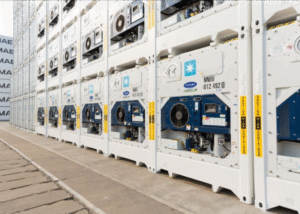
Reefer containers are shifting toward low-emission cooling systems using renewable energy sources.
4. Growing Adoption of Circular Economy Practices
More companies are refurbishing older containers rather than scrapping them, extending useful life cycles.
5. Sustainable Construction Certifications
Buildings made from reused containers may soon qualify for higher sustainability ratings under global green building standards such as LEED and BREEAM.
Why Businesses Should Adopt Green Container Solutions
Organizations that incorporate sustainable container practices benefit from:
- Lower operational costs
- Reduced energy consumption
- Smaller carbon footprint
- Improved ESG (Environmental, Social, Governance) performance
- Eligibility for green certifications and incentives
- Positive brand reputation
The shift toward sustainability is not just a trend it’s a long-term strategic advantage for businesses across logistics, retail, construction, and emergency management.
Conclusion
Sustainable and green container solutions are shaping the future of logistics, construction, and environmental management. By reusing, repurposing, and recycling shipping containers, companies can dramatically reduce their carbon footprint, minimize waste, and build eco-friendly infrastructure that lasts.
From modular housing and green retail spaces to recyclable materials and innovative designs, container-based solutions offer a powerful way to support a cleaner, more sustainable world. As the demand for environmentally responsible practices continues to grow, shipping containers are proving to be one of the most versatile and impactful tools for a greener future.