Cold-Chain Logistics & Refrigerated Containers
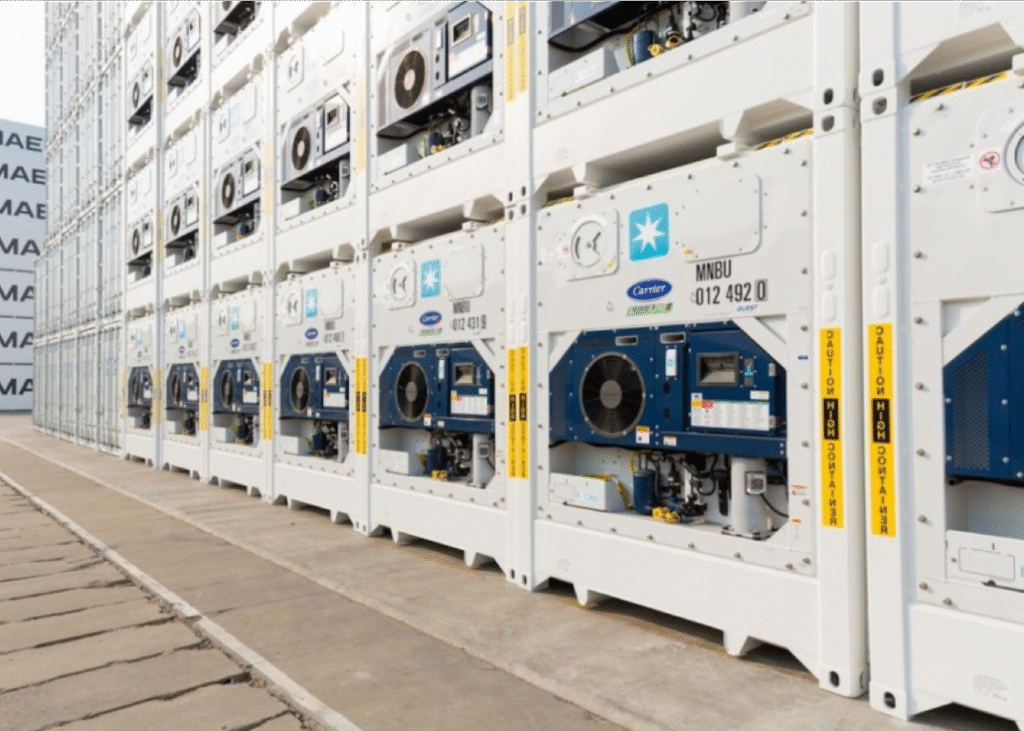
Temperature-sensitive goods require precise handling from production to end delivery. Refrigerated shipping containers, also known as reefers, are the backbone of modern cold-chain logistics. They maintain optimal temperatures, preserve product quality, and ensure compliance with international safety standards. In this post, we’ll dive into the technology, applications, and benefits of refrigerated containers in the logistics industry
What Is Cold-Chain Logistics?
Cold-chain logistics involves the transportation and storage of perishable goods under controlled temperature conditions. Maintaining an unbroken cold chain ensures product integrity, reduces waste, and complies with industry regulations.
Key sectors benefiting from cold-chain logistics include:
- Food & Beverage: Fresh produce, frozen foods, dairy, meat, seafood.
- Pharmaceuticals: Vaccines, medicines, biologics requiring strict temperature control.
- Specialty Goods: Fine chemicals, sensitive electronics, and art.
Features of Modern Refrigerated Containers
1. Temperature Control:
Reefers can maintain a wide range of temperatures, from deep freezing to chilled conditions, using integrated refrigeration units.
2. High-Quality Insulation:
Walls, floors, and ceilings are insulated to minimize energy loss, even in extreme climates.
3. Real-Time Monitoring:
Many modern reefers include IoT sensors and GPS tracking, allowing continuous monitoring of temperature, humidity, and location.
4. Transport Flexibility:
Refrigerated containers are compatible with trucks, ships, and rail, making them suitable for multimodal transport.
Applications of Refrigerated Containers
- Food Industry: Ensuring freshness from farm to table.
- Pharmaceuticals: Safely transporting temperature-sensitive drugs and vaccines.
- Specialty Cargo: Preserving items like chemicals or rare biological samples.
Benefits of Using Refrigerated Containers
- Product Quality: Maintains the integrity of perishable goods.
- Reduced Waste: Minimizes spoilage and financial loss.
- Flexible Deployment: Containers can be temporarily placed on-site or transported long distances.
- Compliance: Meets global standards for food safety and pharmaceuticals.
Best Practices for Cold-Chain Management
- Regular maintenance of refrigeration units.
- Continuous temperature monitoring throughout transit.
- Proper loading techniques to allow airflow and consistent cooling.
- Training staff on handling temperature-sensitive cargo.
Conclusion
Refrigerated containers are essential to modern cold-chain logistics. They ensure that temperature-sensitive products remain safe and high-quality throughout transport. Investing in high-quality reefers is critical for food distributors, pharmaceutical companies, and any business relying on cold-chain integrity.